Antibacterial vs Bacteriostatic: What It Means For Wellness Brand Sourcing
When sourcing topical hygiene products for pharmacies, maternity chains, and family wellness lines, many brand owners overlook a critical technical distinction: bacteriostatic...
Introduction
When sourcing topical hygiene products for pharmacies, maternity chains, and family wellness lines, many brand owners overlook a critical technical distinction: bacteriostatic vs antibacterial performance.
On surface-level packaging, the two terms look similar, but their functional mechanisms, lab verification standards, and commercial value differ drastically.
For B2B brands building long-term, compliant shelf products, confusing bacteriostatic and antibacterial claims can lead to weak market differentiation, customer misunderstanding, and even regulatory non-compliance risks.
Understanding this core difference helps buyers select high-grade, lab-verified topical creams that stand out from generic commodity skincare goods.
What Is Bacteriostatic? (Common in Ordinary Ointments)
Most ordinary skincare ointments and low-grade topical creams on the market are only bacteriostatic. Bacteriostatic formulas work by temporarily inhibiting bacterial reproduction on the skin surface. They suppress microbial activity but do not eliminate existing harmful bacteria.
Once the product film fades, washes off, or wears away, residual bacteria resume growth immediately. This is why many daily skin creams only deliver short-term sensory comfort without reliable hygiene protection.
For retail and pharmacy channels, bacteriostatic-only products face fierce homogeneous competition and cannot support premium pricing.
What Is Antibacterial? (Lab-Verified Disinfectant-Grade Performance)
Antibacterial means the formula delivers active, measurable reduction of targeted harmful bacteria, verified through standardized third-party laboratory testing. Unlike bacteriostatic suppression, antibacterial performance provides genuine, effective hygiene protection for skin and mucosal surfaces.
Professional-grade topical antibacterial products must pass strict efficacy tests with clear numerical data. Qualified disinfectant-registered topical goods require verified antibacterial rates against common strains such as E.
coli, S. aureus, and C.
albicans — core indicators that separate professional hygiene products from ordinary cosmetic-grade creams.
Why This Difference Matters For B2B Brand Sourcing
First, regulatory and shelf eligibility.
Bacteriostatic cosmetic creams can only be positioned as daily skincare.
True antibacterial products with official disinfection registration qualify for pharmacy shelves, clinic supply, and professional wellness scenarios — opening higher-margin channel access.
Second, consumer trust and repurchase rate.
End users can clearly perceive the difference: antibacterial formulas form a long-lasting protective film for sustained hygiene support, while bacteriostatic products offer only temporary comfort.
This gap creates strong word-of-mouth and repeat purchase potential for branded lines.
Third, market differentiation. Most family topical creams only claim skin-soothing effects. A verified antibacterial SKU allows brands to occupy the “safe, multi-purpose household hygiene” category with minimal competition.
Product-Level Implementation: True Antibacterial Botanical Formula
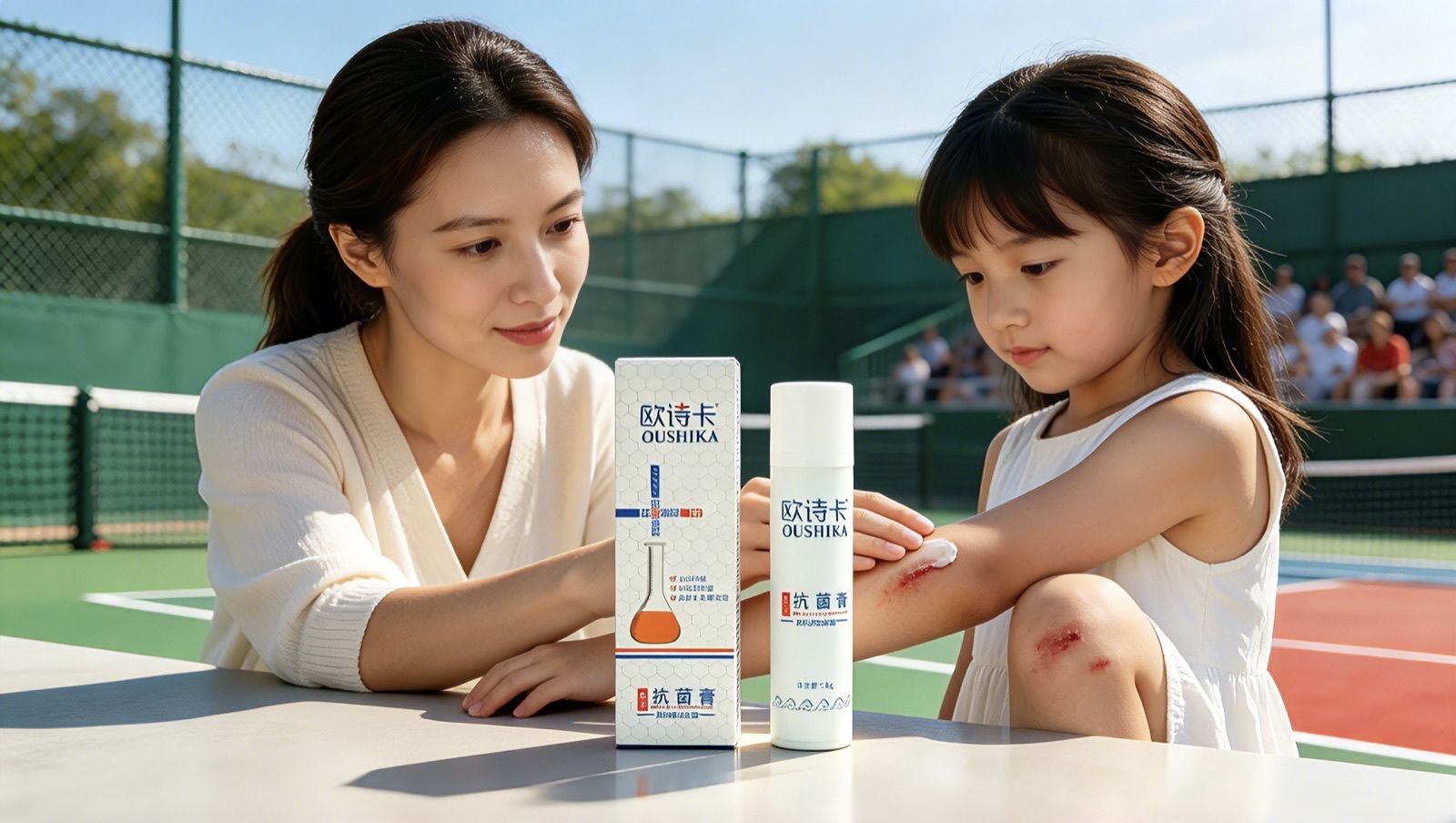
Professional antibacterial topical products rely on standardized lab data, not marketing descriptions. Our Herbal Antibacterial Cream achieves 97–99% lab-verified antibacterial efficacy against three common harmful microbial strains, with full CMA-accredited test reports.
Formulated with 8 signature TCM botanical actives, it delivers genuine antibacterial performance without hormones, harsh chemical irritants, or synthetic steroids.
It is not merely skin-soothing or bacteriostatic — it is a registered disinfectant-grade topical solution suitable for family-wide daily hygiene maintenance.
Conclusion
Bacteriostatic equals temporary inhibition, while antibacterial equals verified, stable hygiene protection.
For brand owners pursuing premium positioning, compliant pharmacy access, and long-term category dominance, antibacterial registered products are the preferred high-growth upgrade over generic bacteriostatic skincare ointments.
Source high-quality, lab-verified antibacterial topical solutions with full OEM & private label support. Explore our Herbal Antibacterial Cream for differentiated family hygiene category development.
 />
/>