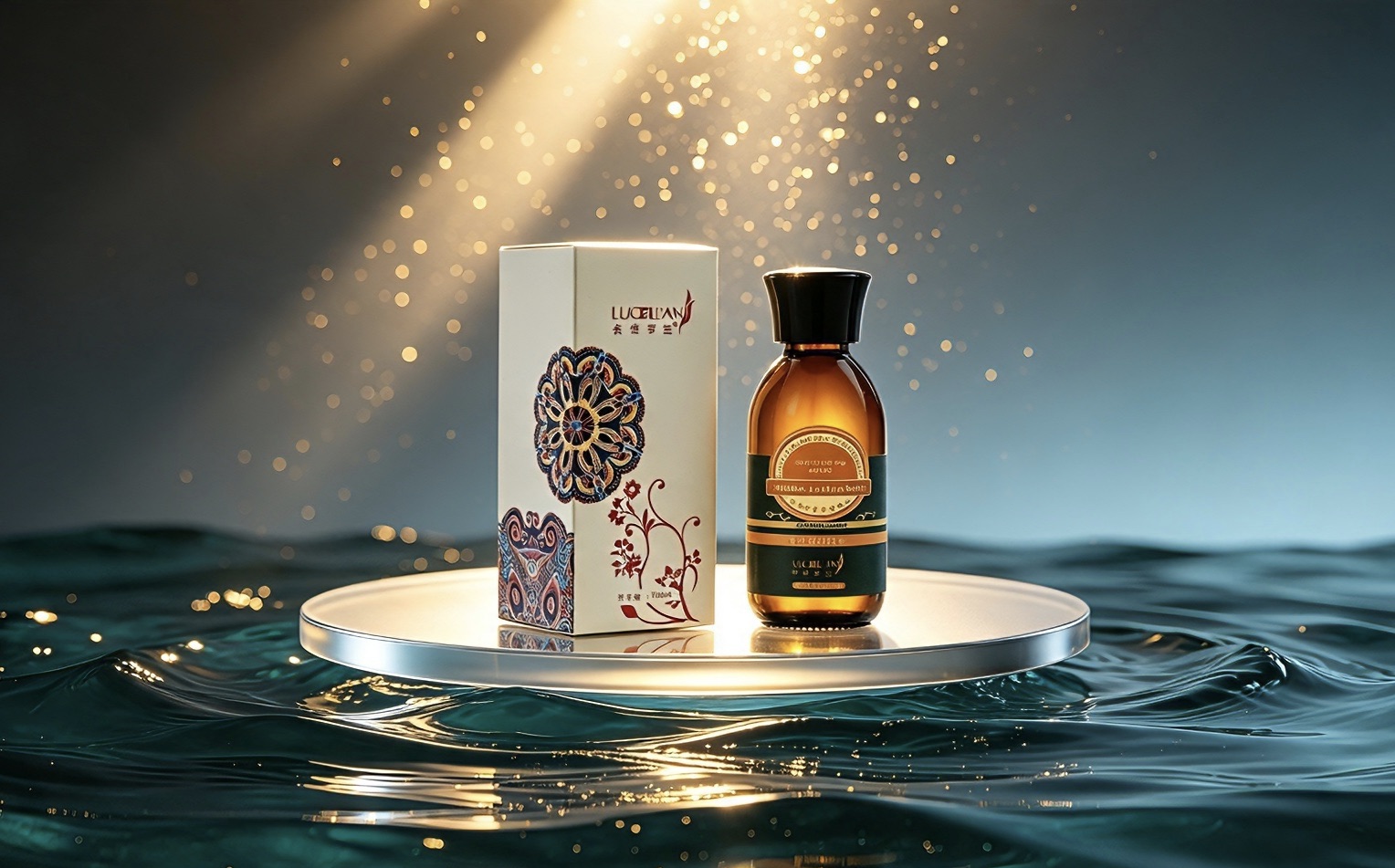
Postpartum Recovery Massage Serum: Private-Label Opportunities for Maternity & Spa Brands
For B2B buyers sourcing postpartum care products: postpartum recovery is one of the fastest-growing segments in the feminine wellness market — yet the product offerings in this space remain surprisingly limited. Most massage oils and body lotions are designed for general use, not specifically for the unique needs of postpartum recovery. This article focuses on the postpartum recovery massage serum category — exploring market opportunities, channel fit, and what B2B buyers should look for when sourcing a private-label formula.
Related reading: Silk Protein Intimate Spa Massage Serum OEM — Complete Sourcing Guide
I. The Postpartum Care Market: A Rapidly Growing Category
The postpartum care market is experiencing significant growth, driven by increasing awareness of maternal health, rising consumer spending on postpartum wellness, and the expansion of maternity and spa services.
| Market Indicator | Value |
|---|---|
| Annual global births | 140M+ |
| Postpartum care market growth | 12%+ YoY |
| Key drivers | Rising maternal health awareness, wellness spending, maternity services expansion |
| Fastest-growing sub-category | Postpartum recovery products |
B2B buyers frequently search for keywords such as postpartum massage oil private label, maternity care OEM, and postnatal recovery products manufacturer — indicating robust demand for product sourcing in this category.
Yet despite this growth, the postpartum product landscape remains fragmented:
| Product Type | What Exists | What's Missing |
|---|---|---|
| Postpartum creams | Stretch mark creams, healing ointments | Multi-purpose, massage-focused products |
| Massage oils | General relaxation oils | Formulations designed specifically for postpartum recovery |
| Intimate care products | Washes, sprays | Moisturizing + soothing + massage in one product |
| Spa products | Generic body oils | Postpartum-specific offerings for spa channels |
The gap: There is no single product that simultaneously addresses postpartum skin recovery, provides professional-grade massage experience, and is safe for full-body use including intimate areas — making this a clear white-space opportunity for private-label brands.
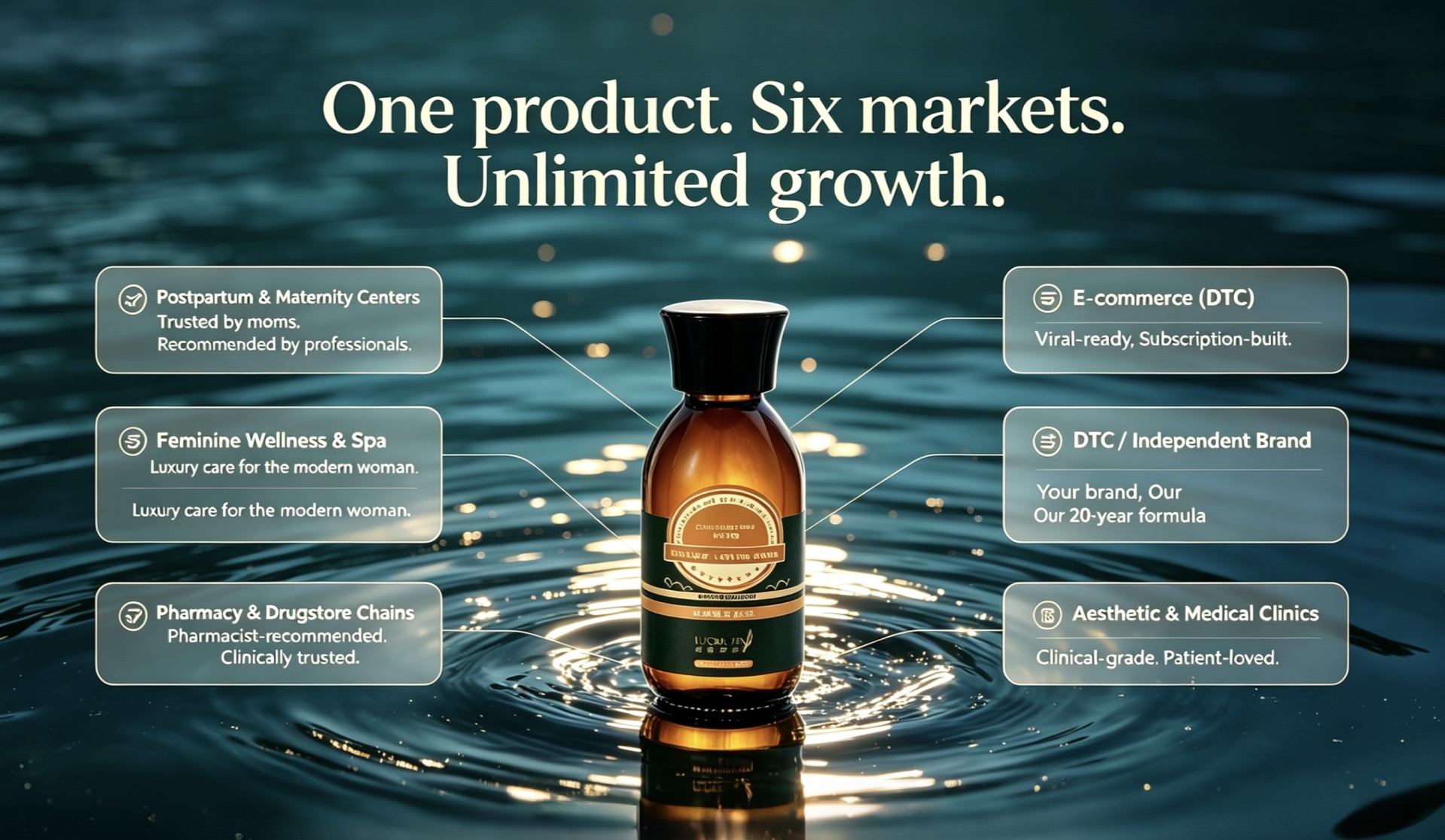
II. Who Is Buying Postpartum Massage Serums? Understanding the Channels
Postpartum massage serums serve multiple B2B channels — each with different requirements, price points, and positioning strategies.
Channel 1: Postpartum & Maternity Centers
Professional endorsement = premium positioning
What they need:
- Take-home products for new moms
- Professional-grade formulations with safety data
- Products that can be recommended by healthcare staff
- Recurring institutional orders
Why it wins: Pregnancy user-validated — real results, trusted by professionals. Postpartum centers recommend products that they have personally tested and trust. A professional-grade massage serum with verified safety data (mucosal + skin irritation testing) is far more likely to be endorsed and stocked.
Channel 2: Spas & Wellness Centers
High-touch, high-margin
What they need:
- Premium retail positioning with strong margins
- Multi-purpose products for treatment rooms
- Products clients can purchase post-treatment
- Brand story that drives differentiation
Why it wins: Education-driven sale = higher basket value and loyalty. When a therapist uses a high-quality massage serum during a postpartum-focused treatment, the client experiences the product firsthand — making them far more likely to purchase it for home use.
Channel 3: Pharmacy & Drugstore Chains
High trust, high repeat
What they need:
- Dermo-cosmetic positioning with clinical credibility
- Regulatory certifications (disinfectant, safety testing)
- Monthly repeat purchase potential
- Pharmacist confidence to recommend
Why it wins: High repeat purchase = predictable recurring revenue. Postpartum recovery is not a one-time event — new mothers need ongoing care, creating a natural subscription model.
Channel 4: E-commerce & DTC
Viral-ready, subscription-friendly
What they need:
- Premium retail positioning
- Video-friendly product demonstration (texture, absorption)
- Strong repeat purchase potential
- Subscription model compatibility
Why it wins: Demo-friendly texture = viral content engine. The "3-second absorption" and "zero residue" stories are natural fits for short-form video content (TikTok, Instagram Reels).
Channel 5: Aesthetic & Medical Clinics
Clinical endorsement = premium trust
What they need:
- Clinical-grade positioning for sensitive skin
- Post-procedure recovery applications
- Professional recommendation by doctors
- Disinfectant certification and zero-irritation profile
Why it wins: Clinical endorsement = higher perceived value, patient loyalty, and recurring recommendations.
III. What B2B Buyers Should Look For in a Postpartum Massage Serum OEM Partner
When evaluating OEM suppliers for a postpartum massage serum, B2B buyers should prioritize the following criteria specific to the postpartum use case:
1. Safety Testing for Postpartum Use
Postpartum skin is sensitive, hormonal, and often recovering from birth-related changes. Safety testing is non-negotiable:
| Safety Criteria | Why It Matters for Postpartum |
|---|---|
| Mucosal irritation testing | Safe for intimate areas — postpartum care often involves perineal recovery |
| Skin irritation testing | Hormonal skin can be more reactive — zero irritation is critical |
| Heavy metal testing | Ensures no contamination — safety for both mom and baby |
| Disinfectant certification (Xiaozihao) | Stricter than cosmetic-grade — unlocks pharmacy and clinic channels |
2. Multi-Purpose Versatility
Postpartum care is not one-dimensional. A successful product should serve multiple use cases:
| Use Case | Application |
|---|---|
| Full-body massage | General postpartum recovery, relaxation |
| Belly skin recovery | Supporting skin elasticity as the body returns to pre-pregnancy state |
| Intimate area care | Gentle care for sensitive postpartum areas |
| Newborn massage | Safe for professional baby massage |
| Self-care ritual | Daily wellness routine for new moms |
3. Sensory Experience for Postpartum Wellness
| Sensory Element | Why It Matters |
|---|---|
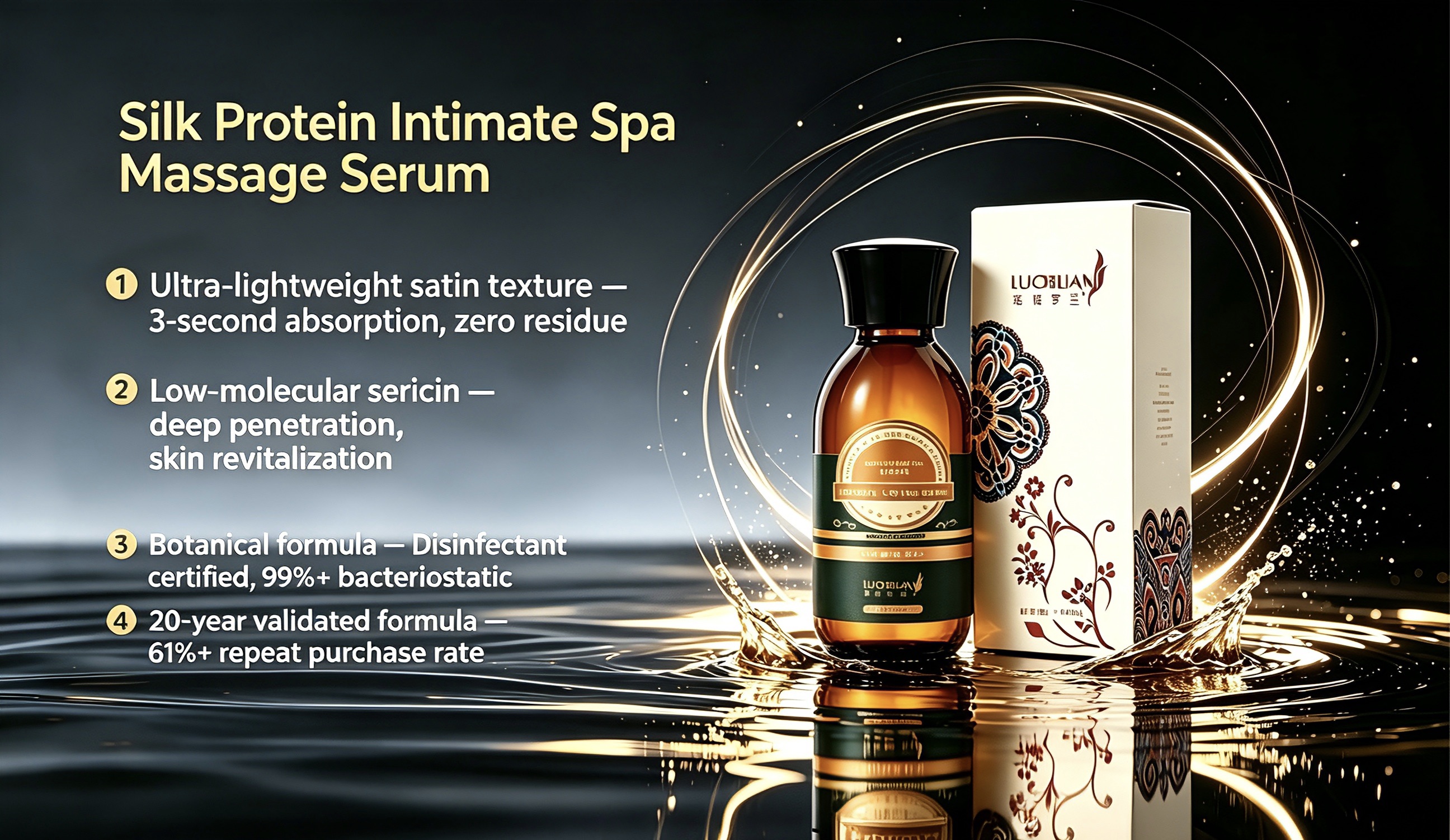
| 3-second absorption | New moms have limited time — no waiting, no sticky clothes |
| Zero residue | No transfer to clothing, no need to wash hands repeatedly |
| Satin-smooth finish | Feels luxurious without being heavy or greasy |
| Natural rose aroma | Calming, mood-supporting — supports postpartum mental wellness |
| Lightweight texture | Can be layered with other products |
IV. Real-World Results: What Postpartum Users Are Saying
The most powerful evidence for a postpartum product comes from real user feedback from the target audience — new mothers and postpartum care professionals.
"We use this serum for postpartum moms' skin recovery and for gentle newborn massage. It's mild, absorbs cleanly, and the moms love the rose aroma. It has become a staple in our postpartum care kits."
— Postpartum care center partner, Jakarta
"After my third delivery I was dreading the dryness and discomfort I had with my first two. My midwife suggested this serum. It melts into my skin in seconds and the dryness I used to feel is noticeably improved. I wish I had found it years ago."
— S.R., Bangkok · Postpartum mom, 4-month subscriber
Why this matters for your brand: Real user feedback validates that the product is not just lab-tested but real-world tested by the exact audience you're targeting — new mothers and the professionals who care for them.
V. Postpartum Massage Serum vs General Massage Oil: Key Differentiators
When sourcing a postpartum product, it's important to understand that a postpartum massage serum is not simply a general massage oil with different marketing.
| Comparison Dimension | General Massage Oil | Postpartum Massage Serum |
|---|---|---|
| Target audience | General wellness consumers | New mothers, postpartum recovery |
| Safety testing | Skin irritation only | Mucosal + skin irritation, heavy metal testing |
| Regulatory tier | Cosmetic-grade | Disinfectant-certified option available |
| Absorption | Varies — often slow and greasy | 3-second absorption, zero residue |
| Use range | Body only | Body, belly, intimate areas, newborn massage |
| Channel fit | Mass retail, e-commerce | Pharmacy, postpartum centers, clinics, spas, premium DTC |
| Repeat purchase | Moderate | High — ongoing postpartum recovery needs |
VI. B2B Buyer FAQ: Postpartum Massage Serum Sourcing
Q1: What makes a massage serum "postpartum-specific" rather than just a general massage oil?
Postpartum-specific products are formulated with the unique needs of postpartum recovery in mind: safe for sensitive and hormonal skin, suitable for intimate areas, gentle enough for newborn massage, and tested accordingly. General massage oils typically do not have the safety data required for postpartum and intimate use.
Q2: Is mucosal testing necessary for a postpartum massage serum?
Yes. Postpartum care often involves perineal recovery and intimate-area sensitivity. Products used on postpartum bodies should have passed mucosal irritation testing with zero-irritation results. Many general massage oils do not have this testing — making them unsuitable for postpartum positioning.
Q3: What channels are most suitable for a postpartum massage serum?
The most suitable channels are:
- Postpartum & maternity centers — professional endorsement + take-home products
- Spas & wellness centers — premium positioning + post-treatment retail
- Pharmacy chains — high trust + high repeat purchase
- Aesthetic & medical clinics — clinical-grade positioning for recovery care
- E-commerce DTC — video-friendly product demonstration + subscription model
Q4: What documentation should an OEM supplier provide for postpartum product compliance?
At minimum:
- Skin irritation test report
- Mucosal irritation test report
- Heavy metal test report
- Stability test report
- CMA accreditation (or equivalent third-party testing)
- Disinfectant certification (Xiaozihao) if targeting pharmacy or clinical channels
Q5: Can a postpartum massage serum be positioned in both spa and pharmacy channels?
Yes. The multi-purpose nature of a well-formulated postpartum massage serum allows for tiered positioning: spa-grade for wellness and relaxation channels, clinical-grade for pharmacy and medical channels. The same product can serve both, but the positioning and packaging should reflect the channel-specific messaging.
Q6: What's the typical OEM MOQ and lead time for a private-label postpartum massage serum?
| Item | Description |
|---|---|
| Evaluation Samples | Available upon request; 7-14 working days for delivery |
| Mass-Production MOQ | 500 kg per batch |
| Mass-Production Lead Time | 30-60 working days (in-factory production only) |
VII. OEM Summary for B2B Buyers
| Item | What to Look For |
|---|---|
| Formula type | Massage serum — lightweight, fast-absorbing, multi-purpose |
| Safety verification | Mucosal + skin irritation, heavy metal testing |
| Regulatory tier | Consider disinfectant certification (Xiaozihao) for professional channels |
| Use range | Full body — belly, thighs, intimate areas, newborn massage |
| Sensory profile | 3-second absorption, zero residue, satin finish, natural rose aroma |
| Channel flexibility | Fits pharmacy, postpartum centers, spas, clinics, and DTC |
| User validation | Real postpartum user feedback |
| Documentation | Complete regulatory and compliance support |
Request evaluation samples and OEM proposal:
Contact our OEM team for sample evaluation, custom formulation options, and a tailored proposal for your postpartum brand.
*For daily skin care and body massage only. This product is not intended to diagnose, treat, cure, or prevent any disease. Individual results may vary. Always consult with a healthcare professional regarding postpartum recovery and skin care.*