Vaginal-Use Intimate Hygiene Products OEM Compliance Checklist for SEA Brands
Vaginal-use intimate hygiene products belong to the highest-standard segment in personal care export sourcing..
Vaginal-use intimate hygiene products belong to the highest-standard segment in personal care export sourcing.
Different from external skin care products, internal intimate contact products face strict regulatory scrutiny in Southeast Asian pharmacy, medical beauty, and maternity institution channels.
Brand owners must verify factory qualifications, safety testing standards, and complete technical dossiers during OEM sourcing to avoid shelf removal, customs clearance failure, and local filing rejection.
1. Core Certification Standard: Disinfectant-Registered under Chinese Hygiene Standard WS 628-2018
Ordinary cosmetic-grade intimate products only complete basic cosmetic filing with incomplete safety and efficacy testing, making them ineligible for high-standard medical and pharmacy channels.
Qualified vaginal-use intimate hygiene products must be Disinfectant-registered under Chinese hygiene standard WS 628-2018, covering five mandatory full-item verification modules:
-
Physicochemical safety: pH value stability and heavy metal limit detection to ensure mucosal compatibility.
-
Microbiological hygiene indicators: Strict control of bacteria, fungi, coliform, and pathogenic bacteria.
-
Bacteriostatic efficacy testing: Standardized strain inhibition verification under laboratory test conditions.
-
Toxicology safety assessment: Professional vaginal mucosal irritation test to confirm non-irritant performance.
-
Long-term stability test: 2-year shelf-life stability verification adapting to cross-border transportation and tropical SEA climate.
2. Non-Negotiable Safety Testing: Vaginal Mucosa Irritation Test
For internal intimate use products, skin irritation testing is insufficient. Vaginal mucosal zero-irritation verification is the core threshold for postpartum and sensitive-user market access.
Mucosal tissue is far more delicate than ordinary skin; products without authoritative testing will bring huge user complaint risks and channel reputation losses.
Qualified OEM formulas must obtain a zero irritation score in CMA-accredited third-party tests to meet long-term daily safe use standards.
3. Complete Document List for SEA Import & Local Filing
To support BPOM, ASEAN, and local retail channel review, manufacturers must provide batch traceable full documents:
-
CMA full-item test report (mucosa irritation, bacteriostatic efficacy, heavy metals, stability)
-
Batch-by-batch COA quality certificate
-
MSDS international safety data sheet for cross-border logistics
-
Free sale certificate and manufacturing qualification documents
-
Complete disinfectant registration technical dossier to support local market registration
4. Safe Marketing Boundary & Forbidden Claims
SEA intimate care regulation prohibits medical treatment claims. Brand marketing must strictly distinguish between hygiene maintenance and medical intervention:
-
Allowed descriptions: intimate comfort support, mucosal-friendly hygiene care, mild bacteriostatic protection, odor-reducing maintenance under lab conditions.
-
Forbidden descriptions: treat, cure, heal, infection relief, disease improvement, and curative effects.
5. Sourcing Final Verification Standard
The most competitive private-label intimate products in the SEA market feature: disinfectant registration certification, zero mucosal irritation, natural plant-based formulas, residue-free user experience, and stable long-term market verification.
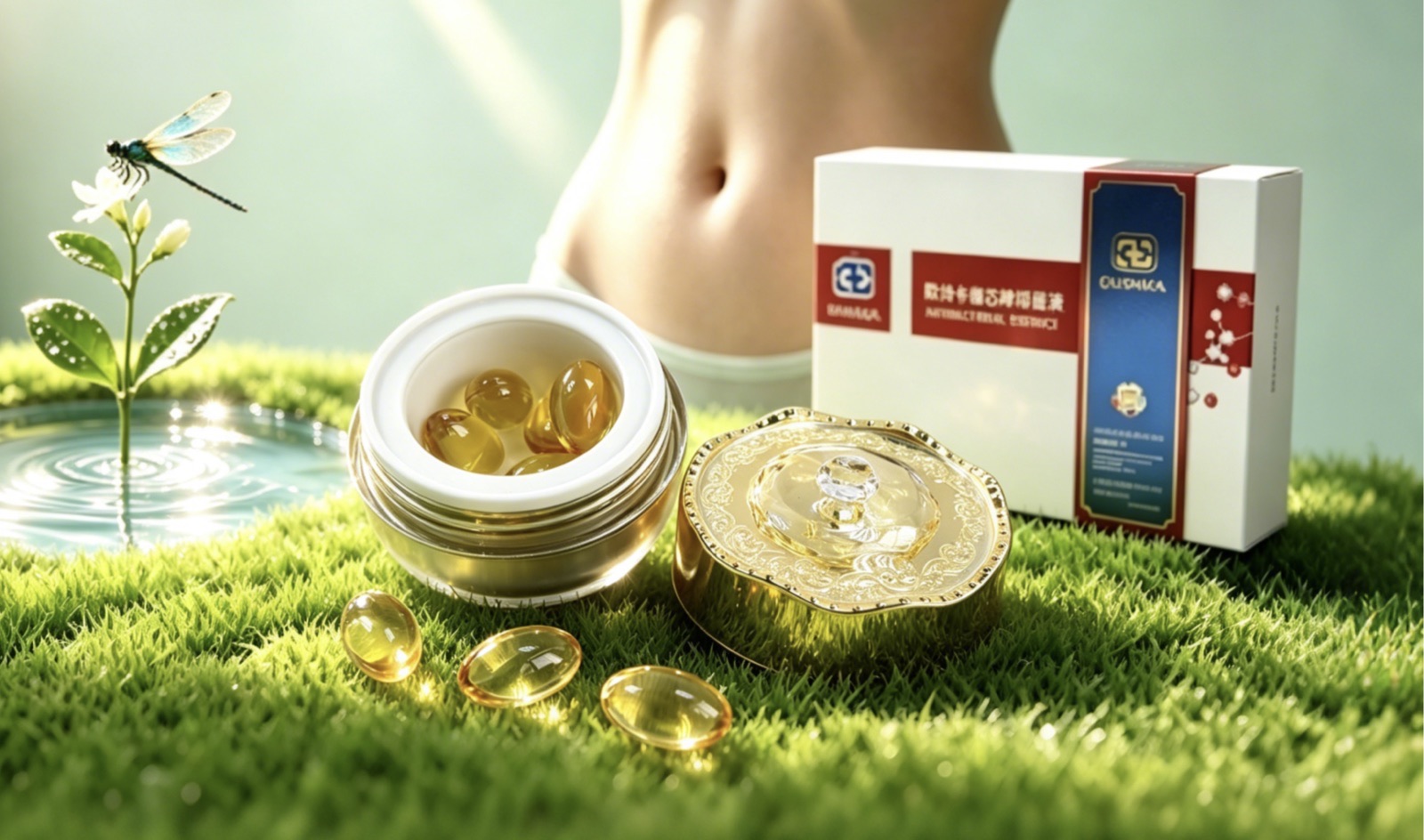
Herbal Intimate Melt Softgels fully complies with WS 628-2018 standardized certification and CMA safety verification, providing compliant and stable OEM solutions for SEA feminine wellness brands.
 />
/>