2026 Private-Label Intimate-Care OEM Trend: "Mucosa-Compatible" Labeling - The New Quality Cornerstone for Premium Brand Growth
Can your intimate-care product honestly print a mucosa-suitability statement on its label? In the 2026 premium feminine-wellness market, that single question separates brands built for the long term from products riding a short-lived concept. Mucosa compatibility is not a self-declared marketing slogan. It is a documented, test-backed qualification: a product earns the right to be positioned as suitable for delicate intimate mucosa only through systematic formulation, finished-product safety testing, and honest labeling that stays inside each market's regulatory definitions.
For years, the global premium intimate-care market competed mainly on surface concepts: clean-beauty formulas, prebiotic microbiome positioning, natural botanical ingredient lists, fragrance-free labeling. Brand owners and OEM marketers leaned on eye-catching ingredient decks and slogans to differentiate their lines. 2026 marks a different phase. Rising consumer health literacy and tightening market expectations are together ending what we can call "formula-by-label" marketing. In its place, mucosa compatibility is emerging as the foundation underneath everything else a premium intimate-care brand says about itself.
Why the shift is so sharp is biological. Vaginal mucosal tissue is thin, highly permeable, and biologically sensitive in ways ordinary skin is not. It does not tolerate harsh surfactants, formulas whose pH drifts away from the physiological range of the intimate area, residual irritants, or generic cosmetic bases borrowed from daily body care. Countless new private-label brands have failed not because their products lacked trendy ingredients, but because their formulas quietly ignored mucosal physiology — triggering low-grade irritation, intimate flora imbalance, persistent discomfort, and a trail of negative reviews that follow the entire wash, foam, gel and cream portfolio.
The strategic consequence is clear: mucosa compatibility is moving from an optional selling point to an entry threshold for premium intimate-care products across North America, Europe, and Southeast Asia. The brands that compound are those that anchor development on mucosal safety, verifiable compliance, and gently effective formulas — and that label their products honestly against all three.
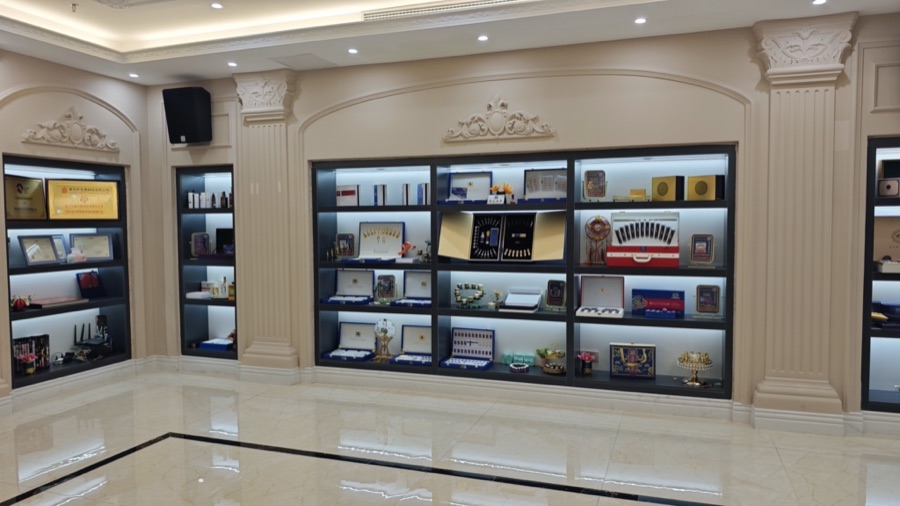
On the retail shelf, this shift is already visible: the private-label products that hold a premium price point today are almost always the ones whose packaging can defend a mucosa-related claim with documents behind it.
Why Mucosa Compatibility Became the Intimate-Care Industry's 2026 Standard
Four forces converged in 2025 and 2026 to push mucosa compatibility to the center of premium intimate-care strategy:
1. Rising consumer health literacy eliminates impulse purchases. Female consumers across mature markets have absorbed years of intimate-health education. They can now tell the difference between "skin-safe" and "mucosa-safe" formulas, and they no longer treat "natural" or "gentle" as proof. Before buying, they check test reports, ingredient safety data, and irritation evidence. Purchase decisions have shifted from emotional impulse to rational technical verification — and a premium price point demands the paperwork to match.
2. Formula mismatches carry severe commercial and reputational cost. A base that does not fit intimate mucosa produces hidden problems: physiological pH drift, micro-irritation that accumulates over weeks, lactobacillus imbalance. These problems rarely surface as immediate allergic reactions. Instead they show up as long-term user discomfort, elevated return rates, negative reviews on Amazon, Shopify storefronts, and social channels, and — for a premium-positioned brand — reputation damage that outlives any single product launch.
3. Regulators and retailers now expect documented safety evidence. Cosmetic regulation is global and claim-driven. Under the US MoCRA, cosmetic products are registered and marketing claims must stay inside cosmetic boundaries; in the EU, notification runs through the CPNP portal; and Southeast-Asian markets layer on their own registration requirements. Because any mucosal-benefit wording sits close to the line in most jurisdictions, buyers, marketplaces, and customs all increasingly ask to see the testing behind a mucosa-safe claim. A verified formulation passes those checks; a bare "natural" claim increasingly does not.
4. Homogenized marketing forces brands to build technical moats. Botanical formulas, clean-beauty positioning, and "zero-added" concepts are now table stakes across the category. When every competitor says the same three words, differentiation must come from something harder to copy: verifiable mucosa-compatible engineering. That is a barrier ordinary contract fillers cannot cross with a rebranded body-care line, which is exactly why it has become the premium brand's sharpest differentiator.
Read the four forces together and one conclusion emerges for brand owners: mucosa compatibility is a supply-chain decision before it is a marketing decision. By the time a slogan reaches a label, the capability either exists inside the OEM's formulation, testing, and production systems or it does not — and no packaging copy can manufacture it afterward. That is why the rest of this article spends as much time on how to verify an OEM as on what the trend means.
What "Mucosa-Compatible" Means in a Premium Formulation
Mucosa compatibility is not a vague marketing concept. It is a systematic, verifiable technical standard built on two commitments: formulation designed for the intimate zone from the start, and finished-product evidence that survives an auditor's request. The core pillars a credible premium product line is expected to demonstrate include:
- Physiological-fit pH targeting. The formulation is engineered to sit within the natural physiological pH range of the intimate area, and that fit is verified across batches and across the stated shelf life — not just on a lab bench sample.
- Full-cycle stability verification. Accelerated stability studies and long-term shelf-life testing confirm the formula does not attenuate, drift, stratify, or degrade between mass production and end of life, so the product a consumer receives matches the product that passed testing.
- Documented safety and irritation testing. Finished products are evaluated through recognized toxicology and irritation protocols, including mucosal-contact testing, with the results recorded in verifiable reports rather than internal memory.
- Heavy-metal and hazardous-substance screening. Raw materials and finished products are screened against international cosmetic safety limits for lead, mercury, arsenic, cadmium, and residual hazardous substances.
- A mucosa-specific base, never a repurposed body-care formula. Low-irritation surfactant systems, a preservative system selected for delicate tissue, and strict raw-material screening all respect the native microbiome. The design intent is protective maintenance, not aggressive functional intervention.
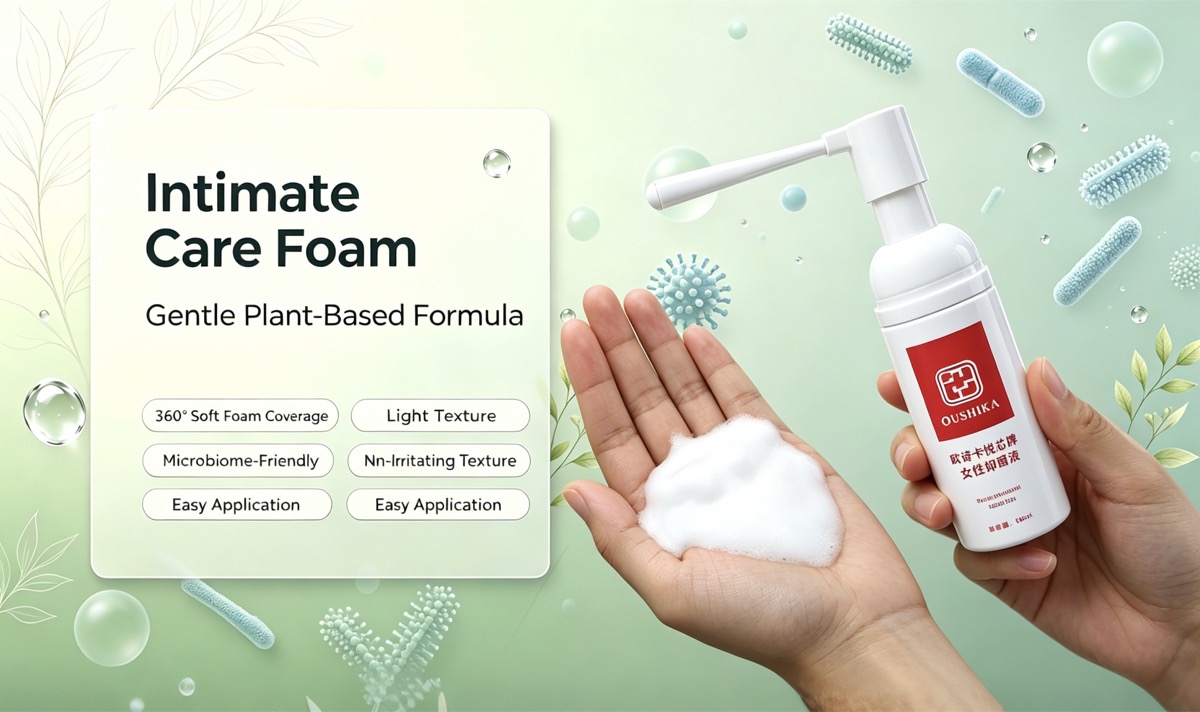
Any factory can claim these pillars in a brochure. The trust signal is the evidence behind them: third-party test reports, batch records, and published production standards. That is the gap between marketing words and a formula that can actually bear a mucosa-compatible label for years.
When you ask an OEM for evidence, learn to read what you are handed. A credible package shows: a third-party irritation or safety test report stating the methodology, the test facility, and the outcome; a stability summary covering accelerated and long-term conditions rather than a single snapshot; a certificate whose production scope names your exact format; and batch-level records that match the samples you approved. Vague summaries, screen-cropped logos, or "we test internally" responses are the first signals that a mucosa-compatible claim is not yet a mucosa-compatible system.
Three Private-Label Misconceptions About Mucosa-Safe Products
Misconception 1: A clean ingredient list equals mucosa compatibility. Many brands assume that a purely botanical, "zero-added" formula is naturally mucosa-safe. In reality, certain high-concentration botanical extracts and natural actives can themselves irritate delicate tissue at the wrong dose. Mucosa compatibility depends on systematic formula balancing and test data — not on how clean the ingredient deck looks.
Misconception 2: One round of sample testing represents the batch. Most suppliers test a single prototype and stop. But pH, activity, and mildness can drift during scale-up and long-term storage. True mucosa safety requires consistent qualification across every production batch and the whole shelf life, which is a manufacturing-system question, not a one-time lab event.
Misconception 3: Only internal-use products need mucosa-safe standards. External formats — washes, foams, sprays, creams — all contact vulvar and vaginal mucosal tissue directly. Every category in an intimate-care line should meet the same mucosa-compatible standard, not only gels or capsules marketed for internal use.
How to Vet an OEM's Mucosa-Compatibility Capability
The practical question for a private-label brand owner is simple: does this OEM actually manufacture mucosa-safe products, or does it assemble labels? Three signals separate the two.
What to look for. A credible intimate-care OEM runs a dedicated mucosa-oriented R&D system, maintains an independent intimate-care formula library, works with qualified third-party testing institutions rather than only its own lab, keeps disciplined GMP production conditions, and has market verification behind its formulas. It refuses to develop a private-label intimate product on a repurposed body-care base, and it can produce verifiable batch-level safety data on request.

How to verify. Walk the claim back to evidence in four steps. First, request official third-party irritation and safety test reports rather than internal self-tests — and read what was actually tested. Second, confirm whether the factory independently develops mucosa-optimized bases or merely tweaks generic body-care formulas. Third, ask for multi-batch stability and physiological-pH-fit records that cover scale-up and shelf life, not a single sample run. Fourth, ask whether the manufacturer operates its own brands in real end-market channels, so its formulas are being iterated against genuine consumer feedback instead of a lab's assumptions. Any OEM that can answer all four with documents rather than assurances is demonstrating a real system.
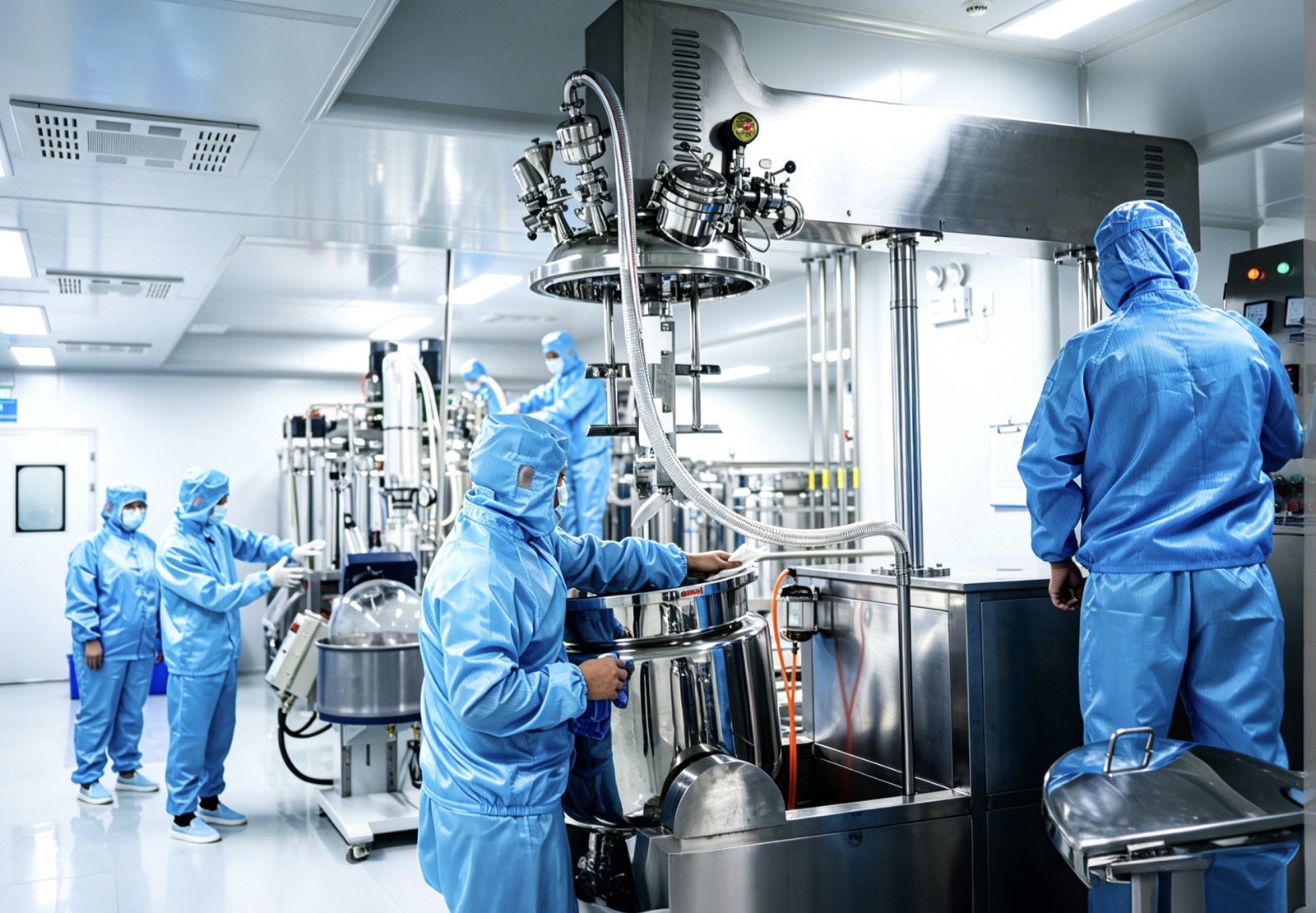
Behind the paperwork sits the production reality: whether the filling and packing environment is actually a controlled cleanroom, whether the manufacturer owns the line, and whether its certification scope covers your formats. A mucosa-safe formula is only as reliable as the environment that fills it.
A few walk-away signals deserve to be named plainly. An OEM that cannot name the third-party laboratory behind its irritation reports, that quotes a suspiciously small MOQ on a mucosal-contact product, that resists showing the scope page of its certificate, or that can only answer formulation questions with general skincare logic has not yet built the mucosa-specific system a premium line depends on. Trust is earned in the documents, not in the sales narrative.
A Worked Example: Zhongkang Bainian's Mucosa-Compatibility System
To make the framework concrete, here is how one manufacturer — Zhongkang Bainian, an OEM/ODM intimate-care factory in Quanzhou, China, with 37+ years of feminine intimate-health heritage — states its mucosa-compatibility system against the same evidence standards. It publishes the underlying credentials because screening buyers should be able to read them before a sales call.

| System element | What Zhongkang Bainian can show you |
|---|---|
| R&D & formulation | An in-house R&D lab with 300+ natural and botanical formulas, building dedicated mucosa-optimized bases with full stability and safety testing completed in-house. Brands choose a proven ODM catalog formula or brief a fully custom OEM development. |
| Third-party safety testing | Finished intimate-care products undergo mandatory safety evaluation by CMA-accredited independent third-party institutions before launch, covering irritation and mucosal-safety testing. Verifiable third-party reports are provided to brand partners — not internal self-test claims. |
| Production environment | A self-owned 20,000 m² facility with class-100,000 cleanrooms, holding SGS-certified ISO 22716 & GMPC with GMP practice aligned to FDA requirements. Dual-track lines — separate production for cosmetic and antibacterial products — run strict batch-level traceability across the full cycle. |
| Formula philosophy | Pure botanical development with no synthetic fragrance, pigments, antibiotics, or hormones used to mask or irritate. Physiological-fit pH targeting is applied across the daily intimate wash, vaginal tightening softgel, antibacterial foam, spray, and cream lines — never a repurposed body-care base. |
| Compliance & market proof | Complete export documentation (COA, MSDS) and claim guidance for North America, the EU, and Southeast Asia. Zhongkang Bainian also operates its own brands through beauty-salon chains and postpartum-care channels, so every formula is tested against real consumer feedback at the retail end. |
For the certificates, production standards, and testing documents behind these claims, see the certifications page, or visit the factory and R&D overview.
Key Takeaways
- In the 2026 premium intimate-care market, mucosa compatibility is the new floor beneath brand growth — not a marketing garnish on top of it.
- A mucosa-suitable label claim is only as strong as the evidence behind it: formulation built for the intimate zone, third-party safety testing, batch-level stability, and honest regulatory claims.
- Clean ingredient lists, one-time sample tests, and "internal-use only" thinking are the three misconceptions that most often sink private-label launches.
- Vet an OEM by documents, not slogans: independent test reports, mucosa-optimized bases, multi-batch records, and real end-market feedback.
- Prefer a partner whose own brands sell at retail — its mucosa-safe formulas have already been validated against real consumers, which lowers your launch risk.
Sources
Standards and regulatory frameworks referenced in this article:
- ISO 22716:2007 - Cosmetics - Good Manufacturing Practices (GMP). International Organization for Standardization.
- US FDA - MoCRA (Modernization of Cosmetics Regulation Act) requirements for cosmetics facility registration and product claims.
- European Commission - CPNP (Cosmetic Products Notification Portal) registration for cosmetics placed on the EU market.
- SGS - third-party inspection, verification, testing and certification of the ISO 22716 and GMPC quality systems referenced in this article.
- Safety-testing references herein correspond to reports issued by CMA-accredited independent testing institutions.
Build Your Premium Mucosa-Compatible Line On Verified Standards
Tell us your target market and first SKU - we’ll show you the third-party test reports, production standards, and facility evidence behind our mucosa-safe formulations.
*This article is for informational purposes only. Market data and regulatory requirements vary by source and by market. Always consult with local regulatory experts before finalizing product specifications for your target markets.*