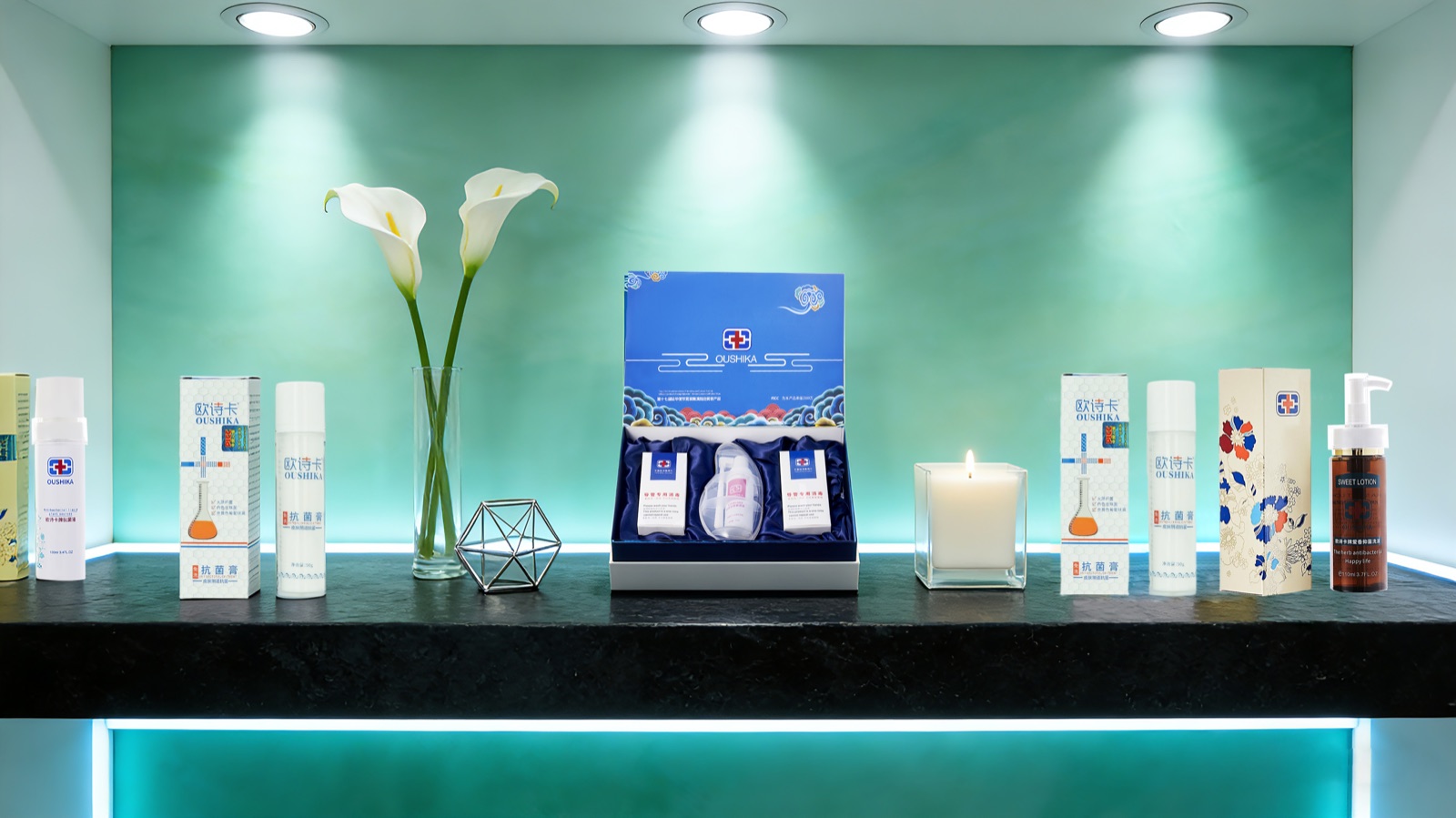
The 2026 Private-Label Feminine Intimate Wash Standard: Vulvar-Skin pH Science & Formula Verification
Which pH is your feminine wash actually built for — the internal vagina, or the external vulvar skin it cleans every day? For a private-label brand, that single question decides not only the formula you launch, but the comfort, repeat-purchase rate and regulatory story behind it.
In the 2026 premium feminine-wellness market, true differentiation no longer comes from printing the lowest pH on a label. It comes from science-based pH targeting — an intimate wash engineered for the skin it genuinely contacts. This guide is written for DTC merchants, beauty-SPA chains, postpartum-care centers, pharmacy institutions and brand owners planning a premium pH-balanced feminine wash. It explains the vulvar-skin pH science behind the trend, the shortcuts to audit for in a supplier, and the verifiable evidence a trustworthy feminine wash OEM should be able to hand you.
For years, premium intimate-care marketing competed mainly on packaging language: “gentle,” “natural,” “clean.” 2026 has moved the fight to ground that can actually be measured. Consumers are more health-literate, marketplaces punish any irritation with reviews and returns, and regulators increasingly expect documented safety evidence rather than self-declared claims. Together these forces have converged on one idea: a premium intimate wash must be defensible on paper, not just on the front of the bottle. And at the center of that paperwork sits pH.
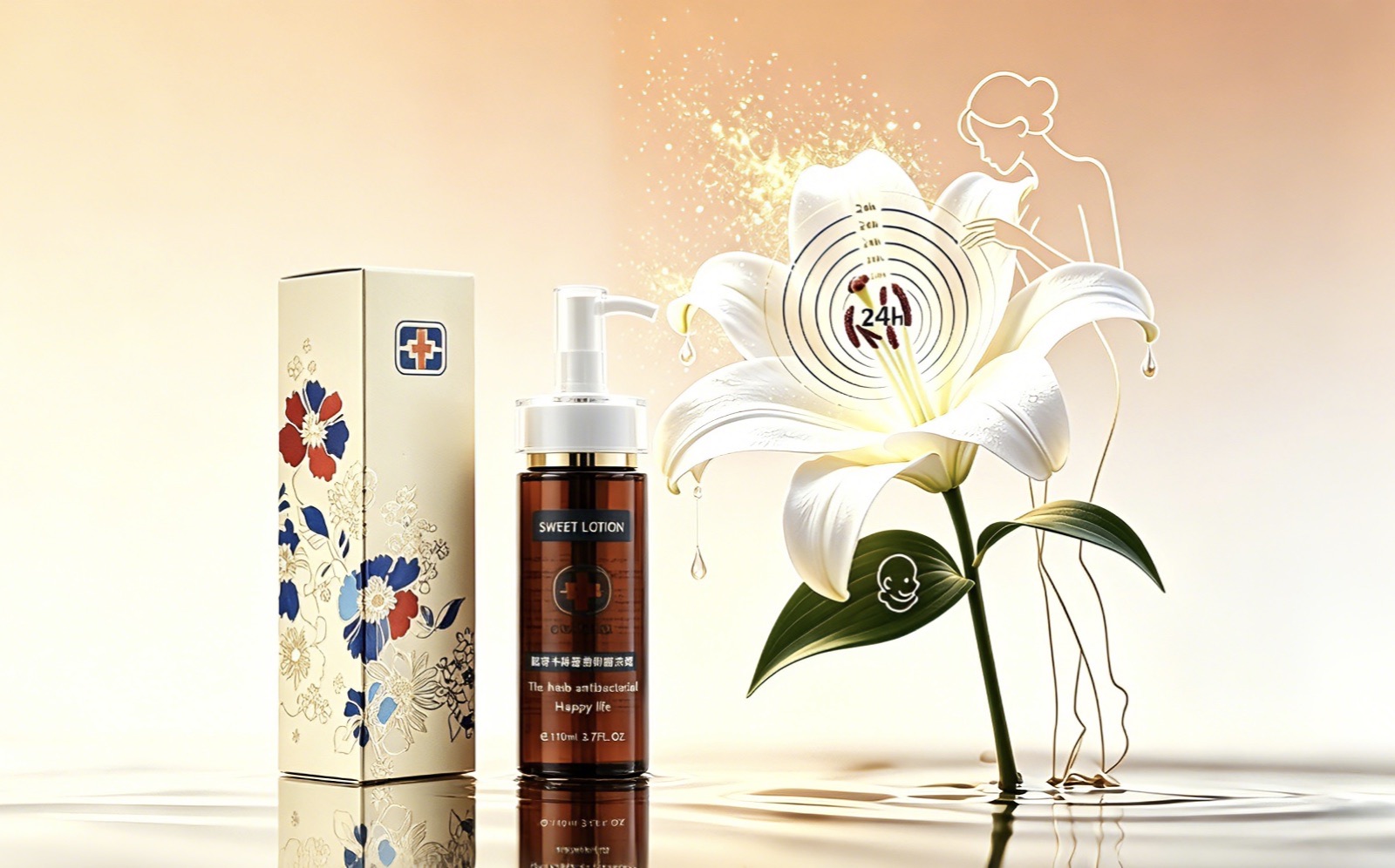
Why the pH question matters so sharply is anatomical. The internal vaginal environment is acidic — typically in the 3.5–4.5 range — and is kept there by lactobacilli that protect the healthy flora. External vulvar skin, by contrast, sits in a milder band closer to 5.0–5.5. A rinse-off intimate wash mainly touches the external area, never the internal canal. Yet a large share of the market still builds its formulas around the internal 3.5–4.5 target, largely because that number became a familiar marketing cue.
The shortcut behind that mismatch is well understood inside the industry. The fastest way to print an impressive pH on a spec sheet is to take an ordinary body-wash or shower-gel base and drive its pH down with a simple acid adjustment. The formula can then sit at the “right” number on a lab sheet — but it was never designed for the vulvar barrier. Its surfactant system, osmotic balance and botanical actives were built for general body skin, not for thin, sensitive intimate tissue, and it is rarely backed by the mucosal-contact testing that would prove mildness. Over weeks of daily use, a formula of this kind can surface as dryness, tightness, low-grade irritation or flora imbalance — the quiet driver of negative reviews and brand damage that follow an entire portfolio.
This is not an argument that every product in the category is built this way. It is a description of the difference between a formula with a pH number and a formula that is engineered, tested and verified for the vulvar environment — and why that difference is exactly what a premium brand should be paying for.
What “Science-Based pH” Means in a Premium Feminine Wash
Science-based pH is not a marketing tone. It is a systematic technical commitment with two parts: a formula designed for external vulvar physiology from the start, and finished-product evidence that survives an auditor’s request. A credible premium feminine wash is expected to demonstrate several things:
- Physiological vulvar fit. The pH target is set for the external vulvar area, not copied from an internal benchmark, and the value is verified across batches and across the stated shelf life — not just on a lab bench sample.
- Stable osmotic pressure. The formula’s concentration and water-locking state match the physiological level of intimate cells. An unbalanced solution can draw on the skin and cause dryness, tightness or irritation regardless of the label pH.
- A mucosa-appropriate base. A surfactant system and preservative system selected for delicate tissue, never a repurposed body-care base that simply has its pH lowered.
- Verifiable mildness. Finished products are evaluated through recognized toxicology and irritation protocols, including mucosal-contact testing, with results recorded in reports a buyer can read.
- Stability that travels. The formula does not drift, stratify or attenuate between mass production and the end of a two-year shelf life, so the bottle a consumer opens matches the batch that passed testing.

Any factory can claim these pillars in a brochure. The trust signal is the evidence behind them: named third-party test laboratories, batch-level records, and a certification whose scope names your exact format. That is the gap between a formula that merely carries a pH value and one that can bear a premium private-label positioning for years.
Five Things to Verify Before You Choose a Feminine Wash OEM
The practical question for a brand owner is simple: does this OEM engineer feminine wash formulas for the vulvar environment, or does it assemble labels? The table below contrasts the commodity shortcut a buyer may be offered with the premium requirement worth writing into your specification. Treat the left-hand column as an audit checklist, not as a claim about any single competitor.
| Design element | Commodity shortcut — the risk to audit for | Premium requirement — write it into your spec |
|---|---|---|
| Formula base | A repurposed body-wash or shower-gel base | A base engineered for external intimate skin, with no repurposed body-care formula |
| pH engineering | pH lowered with a simple acid tweak; value may drift over shelf life | Physiological vulvar fit, held stable across batches and a two-year shelf life |
| Osmotic balance | Concentration and water-locking state not matched to intimate cells | Balanced so cleansing feels mild, with no dryness, tightness or stinging |
| Botanical actives | Random proportions with untested concentrations | Precision-compounded actives with irritation risk screened out in advance |
| Safety evidence | No complete mucosal or toxicology reports shared | CMA-accredited third-party reports: irritation, toxicity, heavy metals, microbiology |
When an OEM hands you evidence, learn to read it. A credible package shows: a third-party report stating the methodology, the test facility and the outcome; a stability summary that covers accelerated and long-term conditions rather than a single snapshot; a certificate whose production scope names your exact format; and batch-level records that match the samples you approved. Vague summaries, screen-cropped logos, or “we test internally” responses are the first signals that a premium pH claim is not yet a verified system.
Botanical Actives: Where “Gentle & Natural” Becomes Verifiable
Premium feminine washes increasingly carry a botanical story, and that story is only as strong as the verification behind it. Our feminine wash line is built on a fragrance-free, hormone-free, antibiotic-free herbal system. The formula draws on long-used botanical actives — among them Sophora flavescens root extract, Cnidium monnieri fruit extract, Centella asiatica extract and Lonicera japonica (honeysuckle) flower extract — within a proprietary compounding system, rather than a complete public disclosure of the finished deck.
Every botanical active is precision-compounded from a specialized formula library built up over 37+ years of intimate-care manufacturing, with irritation risk screened out in advance through professional testing. The finished product is then verified by a CMA-accredited independent laboratory. The result is that “gentle and natural” stops being an empty phrase and becomes a documented, data-backed claim a brand can defend.
A Worked Example: Zhongkang Bainian’s pH 5.65 Feminine Wash Standard
To make the framework concrete, here is how one manufacturer states its standard. Zhongkang Bainian is an OEM/ODM intimate-care factory in Quanzhou, China, with 37+ years of feminine intimate-health heritage dating back to 1989. Its flagship feminine wash is benchmarked at pH 5.65, a mild, skin-friendly value selected for the external vulvar environment and verified by CMA-accredited third-party testing. For brands serving segmented user groups — postpartum-sensitive skin, daily gentle care, younger consumers, or different regional skin traits — the same formula can be customized across a full 3.5–6.5 pH range, with stability re-verified for every custom value.

| Core safety test item | Verification standard & result |
|---|---|
| Vaginal mucosal irritation test | CMA-accredited, verified as non-irritant with a zero irritation score on the vaginal mucous membrane under the test protocol |
| Full-cycle pH stability | Tested at pH 5.65 — verified across a two-year shelf life with no pH drift; every customized pH (3.5–6.5) passes real-time and accelerated aging stability tests |
| Toxicological safety | Full toxicological assessment passed — non-toxic and non-irritating for long-term intimate mucosal contact |
| Heavy metal detection | Pb < 1.5 mg/kg, As < 0.010 mg/kg, Hg < 0.002 mg/kg — well inside international safety limit standards |
| Bacteriostatic efficacy | Tested under laboratory conditions: 65.96% against E. coli, 63.94% against S. aureus, 63.35% against C. albicans (≥ 50% standard) |
| Microbiological hygiene | Total bacteria < 1 cfu/mL; no fungi, coliforms, pathogenic bacteria, Pseudomonas aeruginosa or hemolytic streptococcus detected |
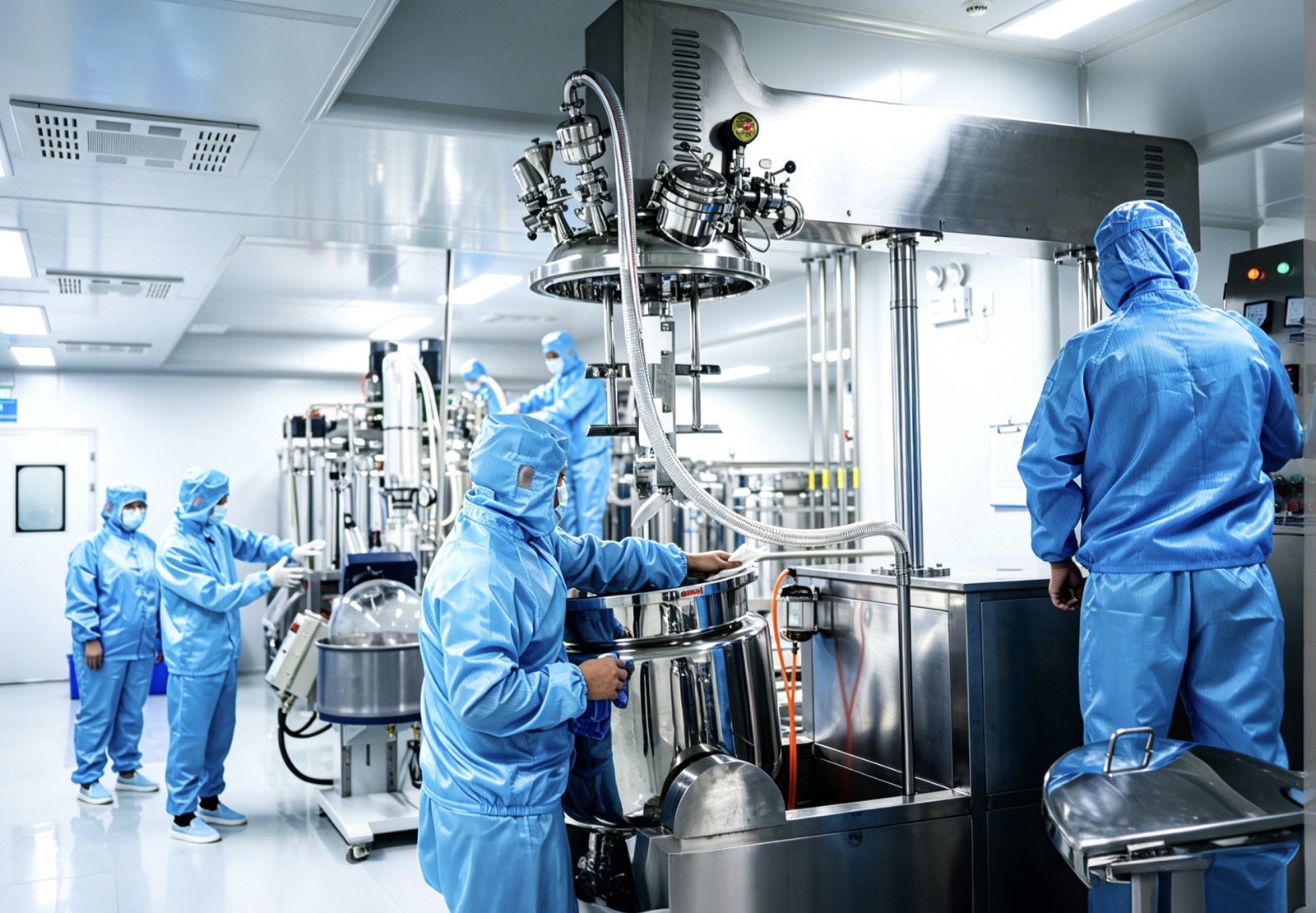
These figures come from a CMA-accredited third-party test report (Report No. wx24030093) covering pH stability, heavy metals, toxicological safety, mucosal irritation, bacteriostatic efficacy and microbiological hygiene. Production runs in class-100,000 cleanrooms at a self-owned 20,000 m² facility, under SGS-certified ISO 22716 & GMPC with GMP practice aligned to FDA requirements. The feminine wash is manufactured with full batch traceability, and the associated disinfectant production licence — (Min) Wei-Xiao-Zheng-Zi (2021) No.040036, with the cosmetic production licence Min-Zhuang 20220008 covering the wider line — gives brands a complete, documentable compliance story for cross-border sales.
Brand owners can inspect the source documents behind these claims on the certifications page, see the full pH-balanced feminine wash OEM product page, or visit the factory and R&D overview.
Full-Range Customization for Premium & DTC Feminine Wash Brands
A premium or DTC brand rarely needs a factory template — it needs a formula that fits its positioning, its channels and its region. Our modular customization system covers the full chain from R&D to final product iteration:
- Science-based pH customization. Standard pH 5.65 for external vulvar care, or a fully stability-verified custom value anywhere in 3.5–6.5, tuned to regional skin traits, user groups and brand positioning — without relying on a simple citric-acid tweak of a generic base.
- Botanical & mildness customization. Fragrance-free, alcohol-free, hormone-free and hypoallergenic versions for sensitive skin, postpartum recovery and pharmacy retail, each passing full mucosal-irritation and toxicological testing.
- Scenario-based efficacy. Support for daily gentle cleansing, flora maintenance, mild antibacterial soothing, postpartum-sensitive care and menstrual-period gentle protection, across DTC, spa, postpartum-center and pharmacy channels.
- Format & packaging. Liquid wash, mild foam or gentle gel textures, with exclusive private-label packaging design, material selection and color matching to build a unified premium visual identity.
From Sample to Global Launch: A Transparent Process
Launching a private-label feminine wash is a supply-chain project, and the best partners make every stage legible. The process we run with brand partners is straightforward:
Step 1 — Formula consultation & paid samples. A targeted formula proposal is prepared from your market and positioning, and paid samples let your team verify texture, mildness and efficacy in advance. Sample dispatch runs in roughly seven working days.
Step 2 — Transparent MOQ & pricing. Minimum production starts from 500 kg of liquid base, with MOQ and tiered pricing stated clearly up front, so new-brand startups and established operations can both plan their margins.
Step 3 — Standardized mass production. Production runs in class-100,000 GMP clean workshops under three-level quality control — raw-material screening, in-process patrol inspection and finished-product testing — with in-factory mass production typically completing within 30–60 working days after approval, excluding pre-production steps.
Step 4 — Export documentation & after-sales. Full export documents (COA, MSDS) are provided, compliance guidance is given for frameworks such as U.S. MoCRA and EU CPNP where your target markets apply them, and formula-stability and market-operation support continues after delivery.
Frequently Asked Questions
1. What is the difference between vaginal pH and vulvar pH?
The internal vagina is naturally acidic, typically around 3.5–4.5, maintained by lactobacilli that protect the flora. External vulvar skin lives in a milder band, closer to 5.0–5.5. A rinse-off feminine wash mainly contacts the external area, so building the formula around the internal 3.5–4.5 target can be a mismatch. Our standard formula is benchmarked at pH 5.65, a mild value fitted to external vulvar physiology.
2. Can you customize the pH of a private-label feminine wash?
Yes. Our flagship formula is stability-verified at pH 5.65, and we can adjust the formula across a full 3.5–6.5 range to suit regional skin traits, target user groups and brand positioning. Every customized pH runs real-time and accelerated aging stability tests, so the value does not drift from mass production through the two-year shelf life.
3. What certifications and test reports can a feminine wash OEM provide?
We provide CMA-accredited third-party test reports (our feminine wash line is documented under Report No. wx24030093), COA, MSDS, and the factory’s SGS-certified ISO 22716 & GMPC certification, alongside the cosmetic and disinfectant production licences behind the feminine wash line. Export documentation is structured to support brand-side registration and notification work under frameworks such as U.S. MoCRA and EU CPNP where a target market applies them.
4. What are the MOQ and sample policies for feminine wash OEM?
Paid samples are available so a brand can verify texture, mildness and bacteriostatic efficacy before committing; sample dispatch runs in about seven working days. Minimum production is from 500 kg of liquid base, and in-factory mass production typically completes within 30–60 working days after approval, excluding pre-production steps. MOQ terms are quoted transparently so DTC brands, spa chains, postpartum-care centers and pharmacy partners can plan margins.
Key Takeaways
- External vulvar skin sits at a milder pH (about 5.0–5.5) than the internal vagina (3.5–4.5), and a rinse-off feminine wash should be built for the surface it actually cleans.
- A pH number on a label is not a formula. Audit for the base system, osmotic balance, botanical verification and batch-level stability behind it.
- The strongest evidence is documentable: named CMA-accredited test laboratories, full-cycle stability data, a certification scope that names your format, and a licence trail that survives customs review.
- Our feminine intimate wash standard is benchmarked at pH 5.65 and is customizable across 3.5–6.5 with re-verified stability for every value.
- Real operating anchors — from 500 kg MOQ and seven-working-day samples to 30–60-working-day production — let a premium or DTC brand plan a launch with confidence rather than guesswork.
Sources
Standards, test documentation and regulatory frameworks referenced in this article:
- CMA-accredited third-party test report No. wx24030093 for the feminine intimate wash line (pH stability, heavy metals, toxicological safety, mucosal irritation, bacteriostatic efficacy, microbiological hygiene).
- ISO 22716:2007 - Cosmetics - Good Manufacturing Practices (GMP), certified by SGS together with GMPC; International Organization for Standardization.
- U.S. MoCRA (Modernization of Cosmetics Regulation Act) - brand-side cosmetics facility registration and claim obligations.
- EU CPNP (Cosmetic Products Notification Portal) - notification for cosmetics placed on the EU market.
- Disinfectant production licence (Min) Wei-Xiao-Zheng-Zi (2021) No.040036 and cosmetic production licence Min-Zhuang 20220008.
Build Your Premium pH-Balanced Feminine Wash on Verified Standards
Tell us your target market and first SKU — we’ll show you the third-party test reports, production standards and facility evidence behind our pH-balanced feminine wash formulations.
*This article is for informational purposes only. Market data and regulatory requirements vary by source and by market. Always consult with local regulatory experts before finalizing product specifications for your target markets.*